

The complete guide
Buying Guide
Weighted Blanket | Heavy Blanket | Heavyweight Blankets
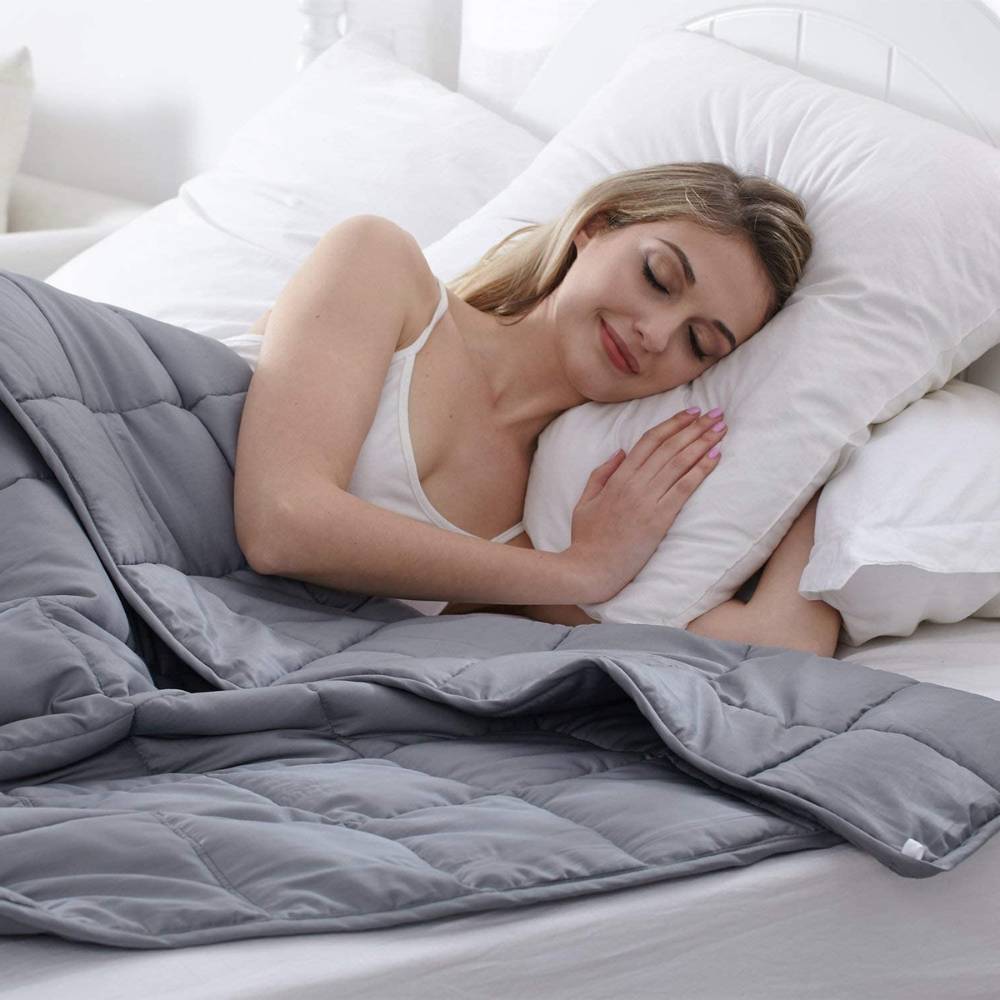
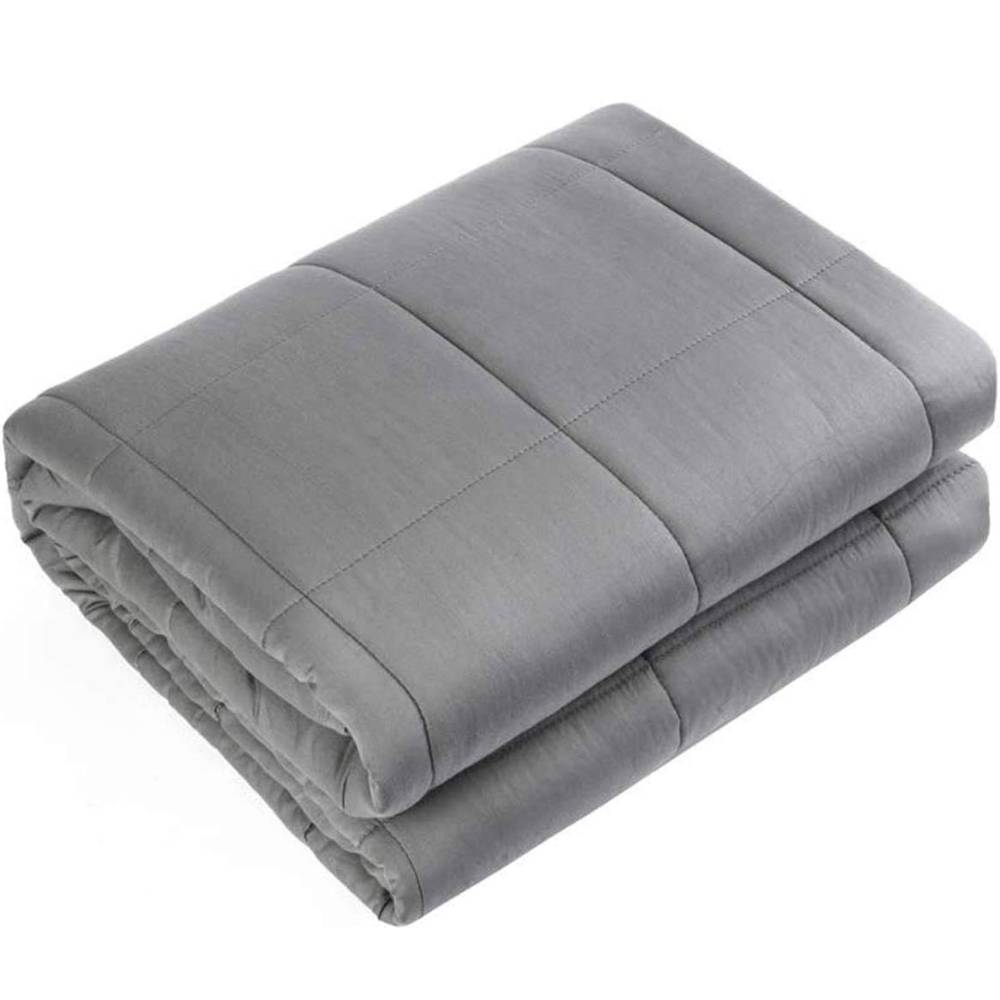
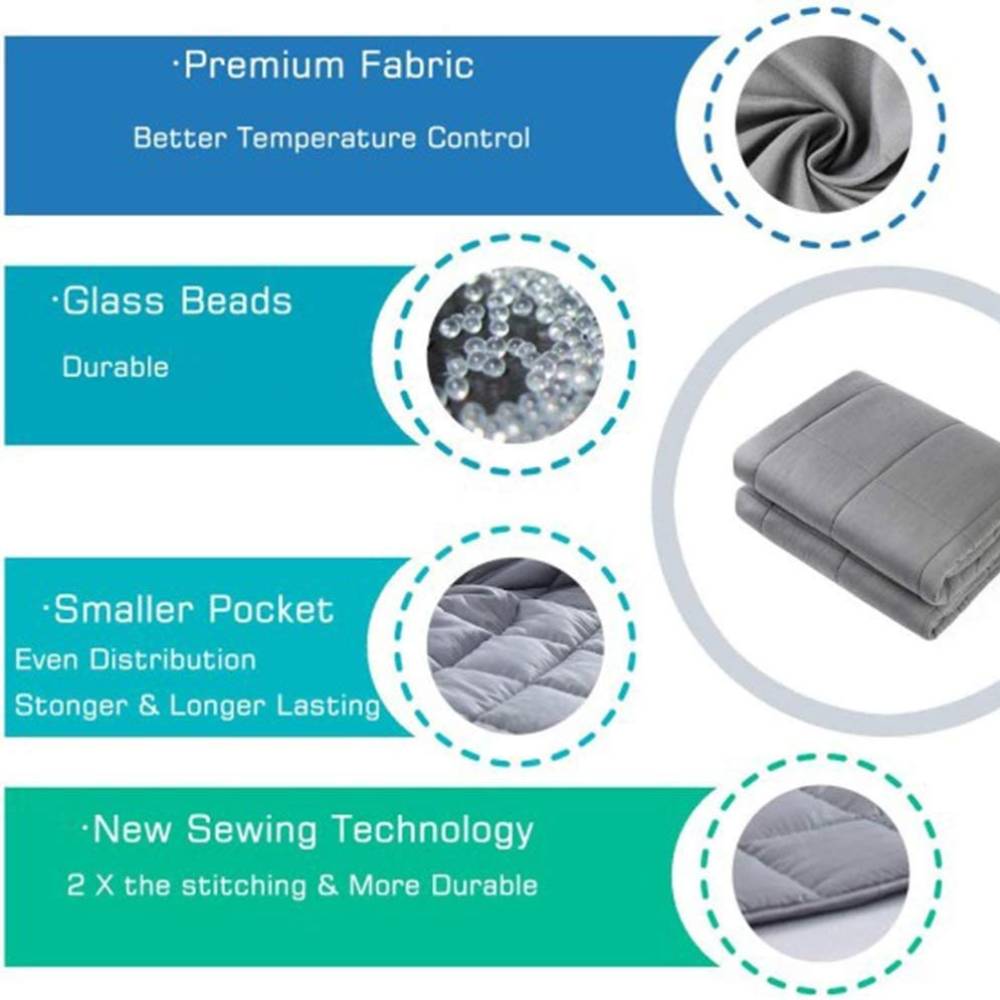
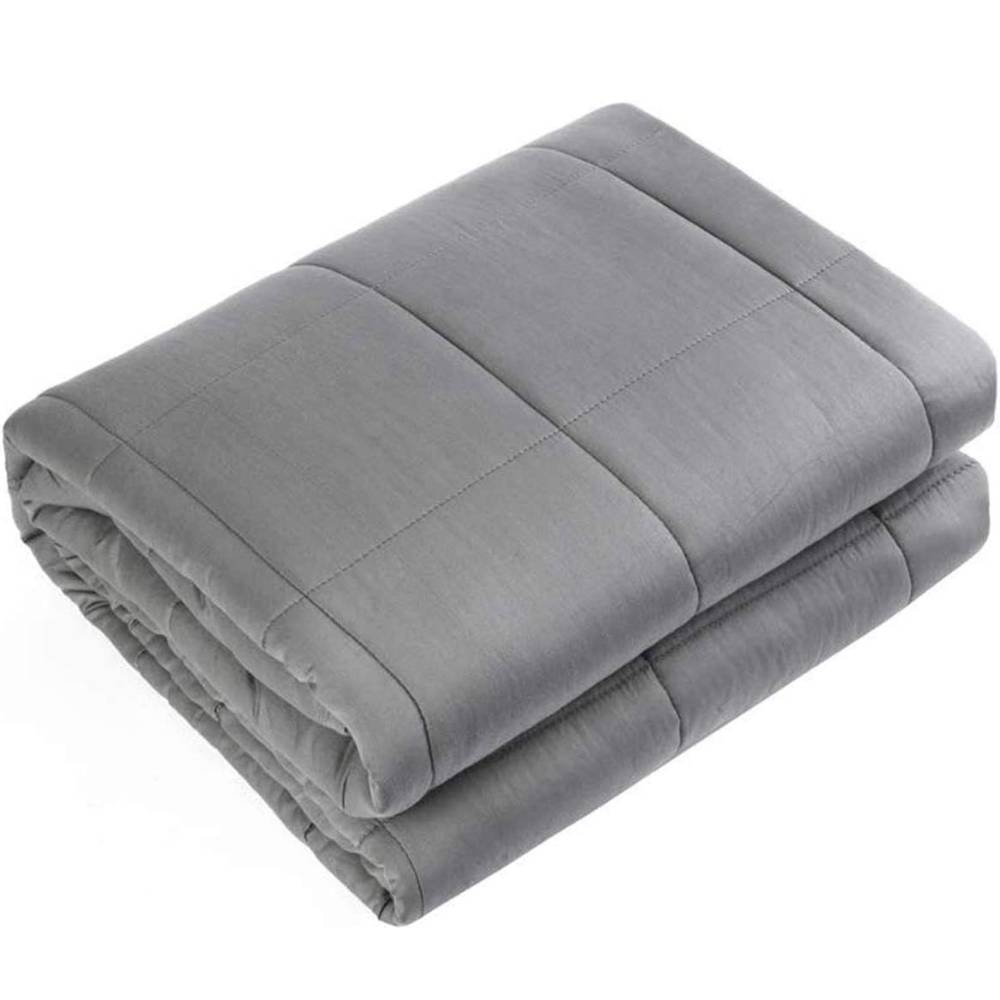
The premium weighted blanket made of soft breathable material and filled with non toxic hypo allergenic glass beads.
available in x3 popular sizes
A Variety Of Options to Choose From
FREE FAST DELIVERY ACROSS NEW ZEALAND FOR ALL ORDERS $75+ OR MORE - (Save $25)
A weighted blanket will be smaller that the same size ordinary blanket because it should cover your body, not your bed.
This premium weighted blanket was designed to weight approximately 10% of your total body in order to relax yourself by simulating the feeling of being held or hugged.
SPECIFICATIONS
 CONTENT

DUE TO CURRENT DEMAND PLEASE ALLOW 5-7 DAYS DELIVERY
Direct To Your Door - All Across New Zealand


Designed For Maximum Comfort
This premium weighted blanket was designed to weight approximately 10% of your total body in order to relax yourself by simulating the feeling of being held or hugged.Improved Design
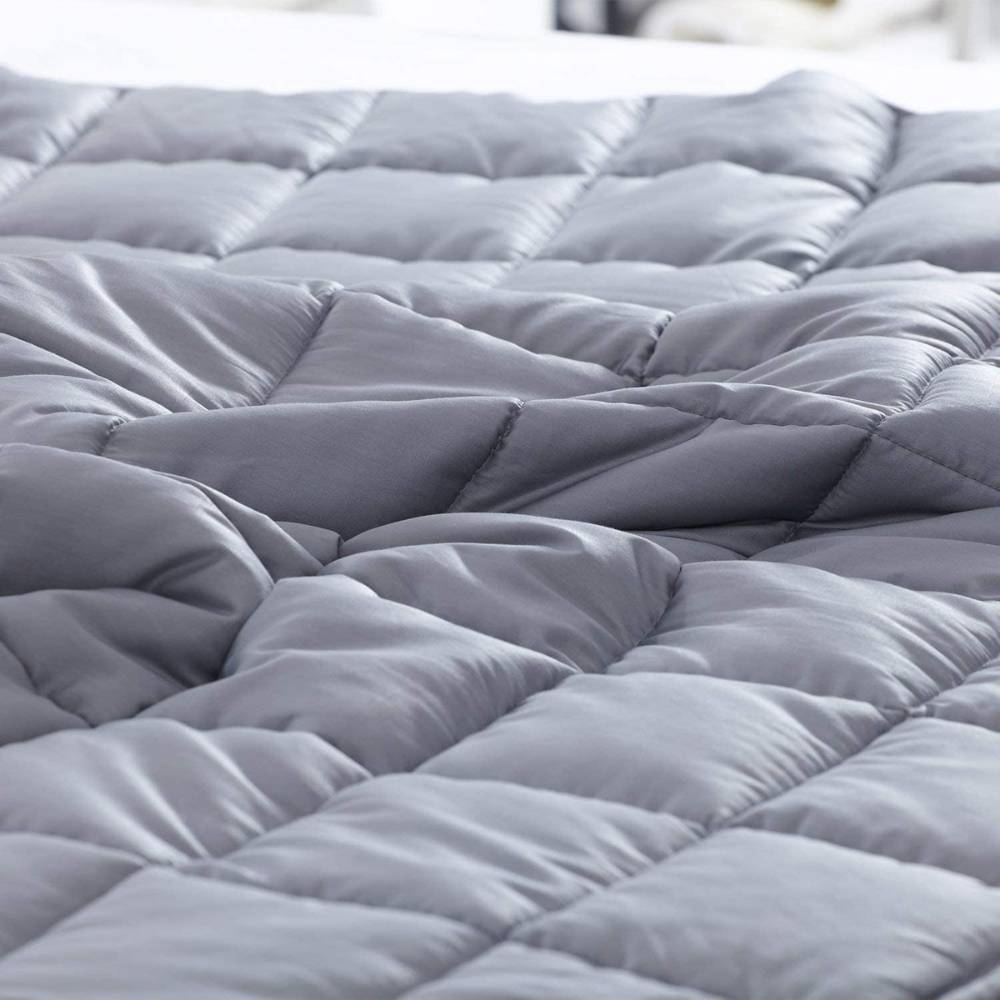
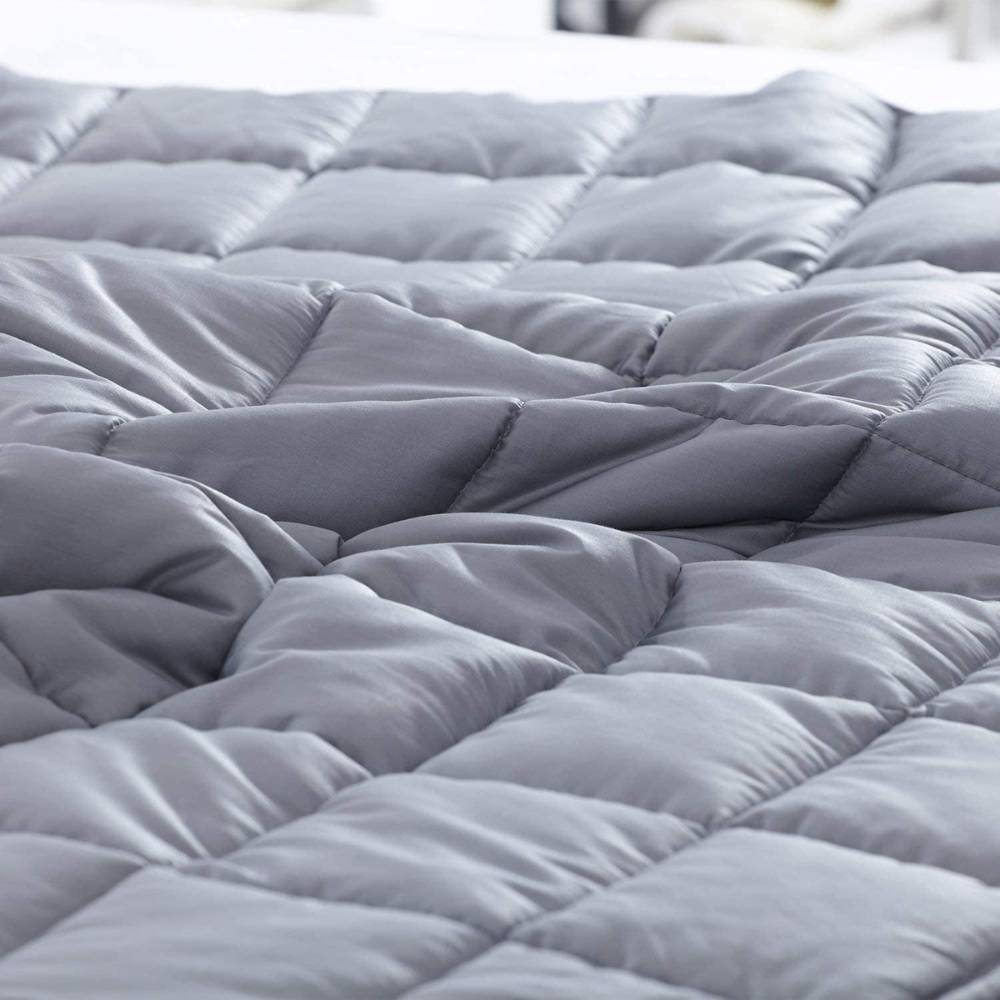
This soft and comfortable blanket has pockets which are smaller to ensure the glass beads evenly distributed in each pocket. And we improved the quality of fabric, making the blanket thinner and softer without changing the weight. Also a light fabric that lets your skin breathe ,clear glass beads.EASY TO MAINTAIN
With a cleaning bag machine-washable on gentle program in cold water, Air dry. Better hand wash. Highly recommended for protecting the weighted blanket and easy cleaning. And we recommend that only the outer cover be washed regularly.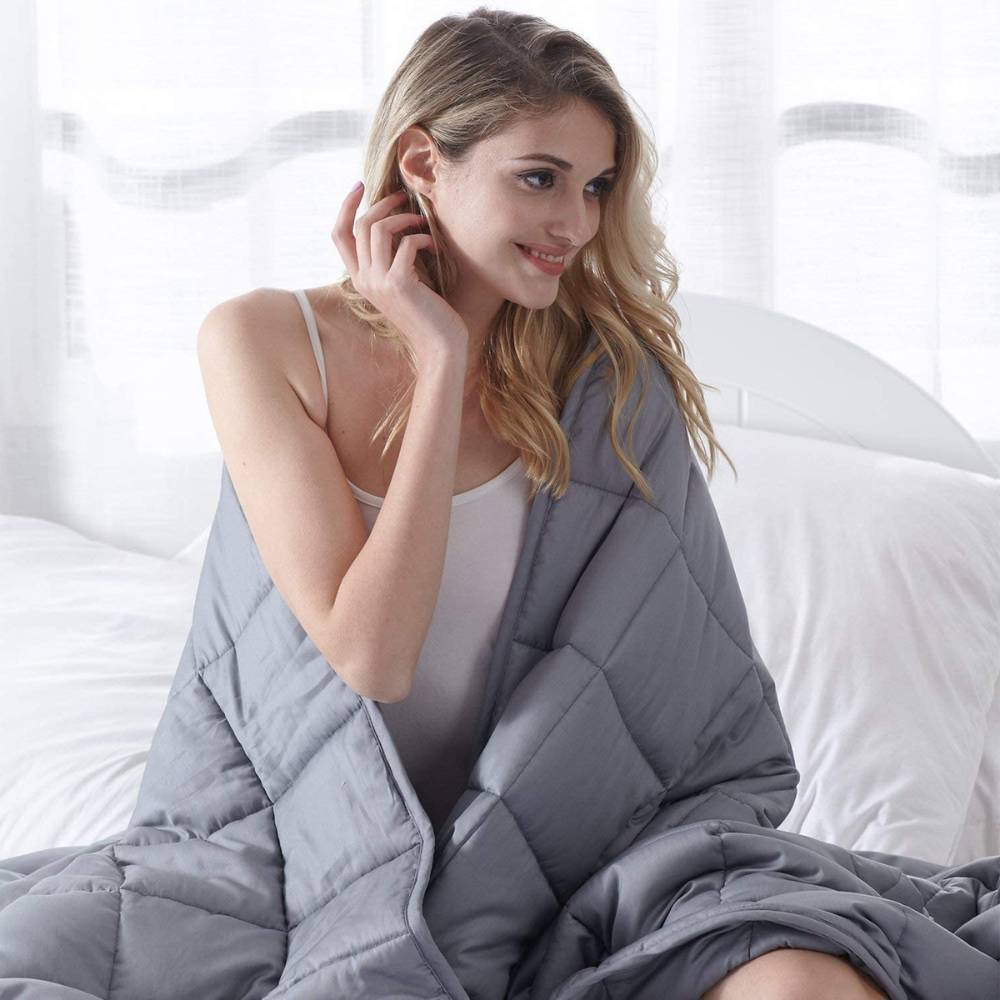
Do weighted blankets really work?
What to look for when shopping for the best weighted blanket
These are the most important details to consider when choosing the right blanket for you:
✔️ Outer material: Because the outer material is what you'll feel on your skin, it's important that you like the fabric's feel. Polyester fleece is a popular option for the outer cover, as it's soft and cozy, but some brands use cotton for a more natural feel.
✔️ Filling: Weighted blankets are usually filled with tiny glass or plastic beads to provide pressure. Glass beads are the most popular filling because they're denser than plastic. GH Institute analysts recommend looking for grid-like stitching that helps keep the fill evenly distributed. Some weighted blankets use cotton or down alternative polyester filling too, especially knit designs.
✔️ Size: Avoid oversize options. The blanket shouldn't hang off the side of your bed: The weight can make it fall off during the night. Also, a larger size means the weight is more spread out, so you'll feel less pressure. Even if you have a larger bed, you may want to use a twin- or individual-size weighted blanket.
✔️ Laundering instructions: Check the care label to ensure you'll be able to keep it clean easily. Some weighted blankets are spot-clean only, but many feature a removable, machine washable cover. A few styles are even entirely machine washable. GH Institute pros note that it usually takes weighted blankets longer to dry after washing.
A note of caution: Weighted blankets shouldn’t be used by anyone who can’t move freely beneath the weight.
How heavy should a weighted blanket be?
For adults, the blankets themselves are heavy, but not so heavy that you’ll feel like you’re being crushed underneath them. To find the best weight for you, you'll need to do some basic math. Most manufacturers recommend choosing a weighted blanket that's roughly 10% of your body weight. So if you weigh around 70 kg, a 6 to 7 kg blanket is ideal. Don't worry about hitting the exact number; within the 7% to 12% range is considered good.
Frequently Asked Questions

Weighted Blanket Guide: Everything About Heavy Blankets and Heavyweight Blankets
Understanding Weighted Blankets
This additional weight ranges from approximately 5 to 30 pounds, with most adult options falling between 12 and 25 pounds.
The weight distributes evenly across the blanket surface through internal compartmentalization that keeps filling materials from shifting into corners or bunching unevenly. This consistent weight distribution ensures uniform pressure application across the body when the blanket drapes over you.
How Weighted Blankets Differ From Regular Blankets
Weighted blankets feel heavier than ordinary fabric layers. The added weight must not restrict your movement.
This fundamental difference means weighted blankets serve distinct purposes beyond simple cold-weather comfort.
Choosing for physical comfort
A weighted blanket adds evenly distributed weight. Choose it for how it feels; this store makes no health or sleep outcome claims.
Types of Weighted Blankets
Weighted blankets come in various styles, materials, and constructions, each offering distinct characteristics and benefits.
Glass Bead Weighted Blankets
Glass bead filled weighted blankets have become increasingly popular due to their smooth, sand-like filling that distributes evenly and creates less bulk than alternative materials. The small, dense glass beads allow manufacturers to achieve substantial weight without excessive thickness.
These blankets typically feel thinner and more drapable than plastic pellet versions, conforming better to body contours. The glass beads make minimal noise during movement, creating quieter experiences than some alternatives.
Plastic Pellet Weighted Blankets
Plastic poly pellets represent a traditional weighted blanket filling offering durability and cost-effectiveness. These pellets create slightly bulkier blankets than glass beads but remain widely used due to their reliable performance and accessibility.
Quality plastic pellet blankets distribute weight well and withstand regular use effectively. Some users prefer the slightly more substantial feel of plastic pellet blankets compared to glass bead alternatives.
Steel Shot Bead Options
Steel shot beads provide extremely dense weight in minimal volume, creating very thin weighted blankets. These premium options appeal to users wanting maximum weight with minimum bulk, though they typically command higher investment levels.
Natural Fill Alternatives
Some weighted blankets use natural materials including rice, dried beans, or sand for weight. While less common in commercial products due to durability and hygiene concerns, these options appeal to people preferring all-natural materials.
Natural fills require more careful maintenance and may not withstand laundering as well as synthetic alternatives, but they offer eco-friendly choices for environmentally conscious users.
Weighted Blanket Materials and Fabrics
The outer fabric covering weighted blankets significantly affects comfort, temperature regulation, and overall user experience.
Cotton Covers
Cotton represents the most popular weighted blanket covering material, offering breathability, softness, and easy care. Natural cotton allows air circulation that helps prevent overheating while providing comfortable texture against skin.
Quality cotton covers accept regular laundering well, maintaining appearance and softness through multiple wash cycles. The natural material appeals to people preferring organic or chemical-free textiles.
Minky and Plush Fabrics
Minky, fleece, and plush fabrics create ultra-soft, luxurious weighted blanket covers that many users find exceptionally comforting. These materials provide warmth alongside weight, making them ideal for cold weather use.
The trade-off involves reduced breathability compared to cotton, potentially causing overheating for warm sleepers or in warmer climates. Many plush weighted blankets work best as seasonal options or for users who tend to sleep cold.
Bamboo and Cooling Fabrics
Bamboo-derived fabrics and specially designed cooling materials address concerns about weighted blankets causing overheating. These breathable, moisture-wicking materials help regulate temperature while providing weighted blanket benefits.
Removable Covers and Duvet Styles
Many weighted blankets feature removable, washable covers that protect the weighted inner blanket while simplifying care. These duvet-style designs allow easy cleaning and seasonal cover changes without laundering the entire heavy blanket.
Removable covers extend weighted blanket lifespan by protecting the weighted core from wear and staining while enabling users to change aesthetics by switching covers.
Selecting the Right Weight
Choosing appropriate blanket weight represents the most critical decision in weighted blanket selection, directly affecting comfort and effectiveness.
This rule provides a starting point, though individual preferences vary and may require adjustment.
A person weighing 150 pounds would typically start with a 15-pound blanket, while someone weighing 200 pounds might choose a 20-pound option. This guideline applies primarily to adult use on beds.
Adjusting for Personal Preference
Individual comfort preferences significantly influence ideal blanket weight. Some people prefer lighter weighted blankets around 7 to 8 percent of body weight, while others enjoy heavier options reaching 12 to 15 percent.
Factors affecting preference include sensitivity to pressure, claustrophobia tendencies, physical strength for blanket manipulation, and whether the blanket will cover your entire body or just portions.
Considerations for Shared Use
Couples sharing weighted blankets face additional considerations as single blanket weights cannot optimize for two different body weights simultaneously. Solutions include purchasing two separate weighted blankets sized for individual use or selecting weight based on the lighter partner's needs.
Alternatively, some couples use weighted blankets individually rather than sharing, allowing each person to choose their ideal weight and use pattern.
Small size does not mean child suitability
This range is offered for adults who can remove the blanket unaided. Keep weighted blankets away from babies and young children.
Size Options for Different Uses
Weighted blankets come in various sizes optimized for different applications and user needs.
Throw and Lap Sizes
Smaller weighted blankets around 40 by 60 inches work well for couch use, lap coverage, or targeted application to specific body areas. These portable sizes provide flexibility for use throughout homes or while traveling.
Twin and Individual Bed Sizes
Twin-sized weighted blankets typically measure approximately 48 by 72 inches, providing full-body coverage for individual sleepers. These sizes work well for single beds or for individuals who prefer personal blankets even when sharing beds.
Full and Queen Sizes
Larger weighted blankets measuring 60 by 80 inches or similar dimensions accommodate bigger beds while still focusing on individual use rather than full mattress coverage. Many sleep experts recommend weighted blankets sized for the user rather than the mattress.
King and Oversized Options
Extra-large weighted blankets provide generous coverage for larger individuals or those who prefer substantial draping. These sizes work well for people over six feet tall or those who enjoy extensive blanket coverage.
Construction Quality and Durability
Construction quality significantly impacts weighted blanket performance, longevity, and user satisfaction.
Compartment Size and Stitching
Internal compartmentalization keeps filling materials evenly distributed throughout the blanket. Smaller compartments, typically 4 by 4 inches or smaller, prevent excessive fill shifting that creates uneven weight distribution.
Quality stitching using strong thread with appropriate stitch density ensures compartments remain secure through use and laundering. Double-stitching or reinforced seams enhance durability particularly in high-stress areas.
Edge Finishing and Binding
Proper edge finishing prevents fill leakage and extends blanket lifespan. Quality weighted blankets feature securely bound edges with reinforced stitching that withstands the stress of supporting substantial weight.
Fill Distribution Testing
Before purchasing, research whether manufacturers test fill distribution to ensure even weight across all compartments. Consistent filling prevents some areas from feeling significantly heavier or lighter than others.
Using Weighted Blankets Effectively
Maximizing weighted blanket benefits requires understanding effective use strategies and best practices.
Check comfort immediately
Stop using the blanket if it feels too heavy, restrictive or uncomfortable. Do not force yourself to tolerate it.
Proper Positioning
Weighted blankets work best when positioned to cover your body without hanging significantly off bed edges where weight pulls uncomfortably. The blanket should rest on you rather than stretching taut across the bed.
Some users prefer weighted blankets covering only their torso and legs rather than extending to shoulders, while others enjoy full-body coverage. Experiment to find your preferred positioning.
Temperature Management
Managing temperature prevents weighted blankets from causing overheating that disrupts sleep. Strategies include choosing breathable cover materials, using lighter clothing or no clothing under the blanket, adjusting room temperature cooler, or selecting cooling weighted blanket varieties.
Combining with Other Bedding
Weighted blankets can be used alone or layered with other bedding. Some users place weighted blankets directly against their bodies with lighter blankets on top for additional warmth, while others prefer weighted blankets as top layers.
Safety Considerations
While weighted blankets are generally safe for most adults, certain safety considerations require attention.
Check suitability before use
Adults must be able to move freely and remove the blanket unaided. Keep the face and head uncovered. If a health condition affects breathing, temperature regulation or mobility, seek professional advice before buying.
Mobility and removal
Do not use the blanket if you cannot remove it without help. It must never restrain movement.
Care and Maintenance
Proper care extends weighted blanket lifespan while maintaining hygiene and performance.
Washing Instructions
Washing guidelines vary by blanket type and weight. Many weighted blankets require commercial-capacity washing machines due to their substantial weight when wet. Always check manufacturer instructions before washing.
Removable-cover styles simplify care by allowing frequent cover washing while the weighted core requires only occasional cleaning. This approach extends the weighted component's lifespan while maintaining cleanliness.
Drying Methods
Air drying is often recommended for weighted blankets to prevent potential damage from dryer heat and tumbling stress. When machine drying is permitted, use low heat and check frequently to prevent overheating or damage.
Weighted blankets take considerable time to dry completely due to their density. Ensuring thorough drying prevents mildew and odor development.
Spot Cleaning
Addressing small stains through spot cleaning prevents the need for full washing. Using mild detergents and blotting rather than rubbing protects fabrics while removing localized soiling.
Storage Best Practices
When not in use, store weighted blankets in cool, dry locations with adequate air circulation. Folding or rolling loosely prevents permanent creasing while allowing the blanket to maintain proper shape.
Special Applications and Uses
Meditation and Relaxation
The gentle pressure helps some people achieve deeper relaxation states and maintain focused attention.
Reading and Quiet Activities
Weighted blankets create cozy environments for reading, studying, or other stationary activities. The calming pressure can enhance focus while providing physical comfort during extended periods of seated or reclined activity.
Travel and Portable Use
Airlines may have policies regarding weighted blankets in carry-on luggage due to weight, so check regulations before traveling.
Their versatility makes them valuable tools across multiple professional applications.
Weighted Blankets for Specific Populations
Different user groups may have unique considerations when selecting and using weighted blankets.
Weighted Blankets for Adults
Adult users represent the primary weighted blanket market, with options spanning various weights, sizes, and materials accommodating diverse preferences and needs. Adults generally have more flexibility in weight selection and can choose based on personal comfort preferences.
Adult range
The small blanket is an adult option for compact coverage. It is not marketed here as a child or baby blanket.
Senior Users
Lighter weights may be more appropriate than standard recommendations suggest.
Athletes and Active Individuals
Choosing the Perfect Weighted Blanket
Selecting your ideal weighted blanket involves balancing multiple factors to find options meeting your specific needs and preferences.
Identifying Your Primary Goals
Clarify your main objectives for weighted blanket use.
Climate and Temperature Preferences
Consider your typical sleep temperature and climate. Warm sleepers or those in hot climates benefit from cooling materials and breathable covers, while cold sleepers might prefer plush, warming fabrics.
Budget and Quality Balance
Weighted blankets range dramatically in investment levels based on materials, construction quality, and brand reputation. Determining your budget while prioritizing quality factors that matter most helps narrow options effectively.
Our NZ return conditions
Read our returns policy before ordering. Eligible change-of-mind returns are available within 15 days of purchase, subject to a NZ$39 handling deduction and return postage. This is not a sleep trial. Statutory remedies are separate.
Reading Reviews and Research
Customer reviews offer insights into real-world performance, durability, size accuracy, and satisfaction levels. Reading multiple reviews reveals patterns distinguishing consistent product characteristics from individual experiences.
Compare the options before ordering
Compare the dimensions, weight, care instructions and price of each option. Contact us before buying if you need a detail confirmed.